
Patterns for Chords and Scales in the Park Layout
All patterns and chords in the examples below are listed in the key of C. To play a chord or scale in a different key, use the same pattern but start on the appropriate note. For example, to play a D major chord, take the pattern from the major chord example but start on the note D.
Since the same note appears multiple times in most layouts, most chords and scales can be played in more than one way, with more than one pattern. The patterns presented here represent the more common, easier, or more compact pattern. Experiment with new patterns by changing which particular instance of the note is included the pattern. For example, if the pattern includes a E4 note, find another E4 and update the pattern with that one instead. This flexibility allows users to develop their own preferred patterns for common chords and scales.
Download a PDF version of this information
Chords
Triads
Major: C - E - G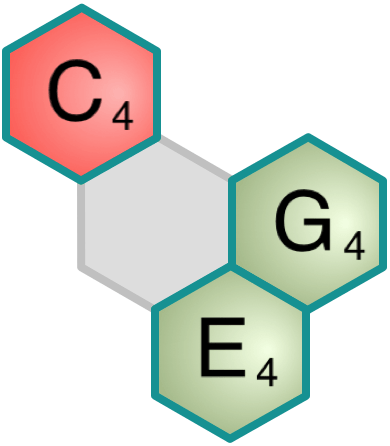 |
Minor: C - E♭ - G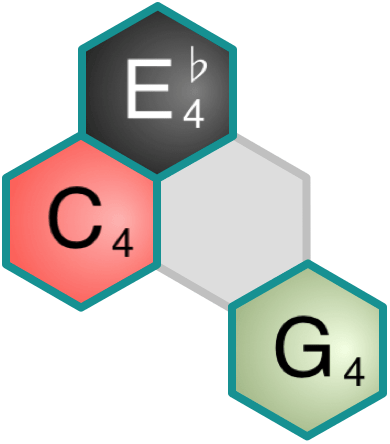 |
Augmented: C - E - A♭ * |
Diminished: C - E♭ - F♯ |
Flat 5: C - E - F♯ |
Sus4: C - F - G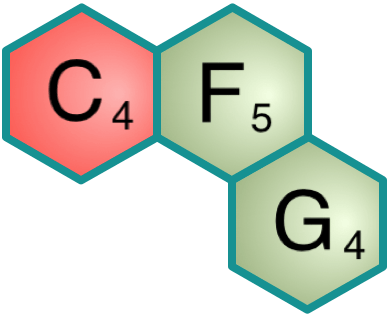 |
Larger Chords
7th: C - E - G - B♭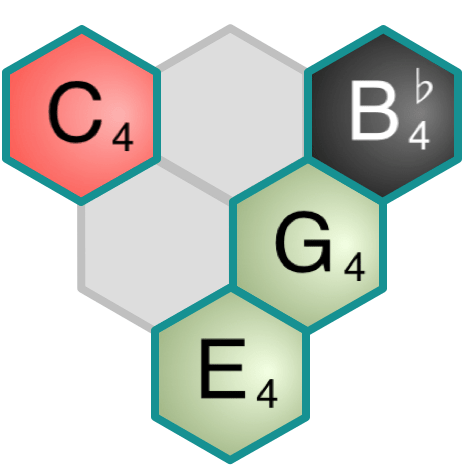 |
Major 7th:C - E - G - B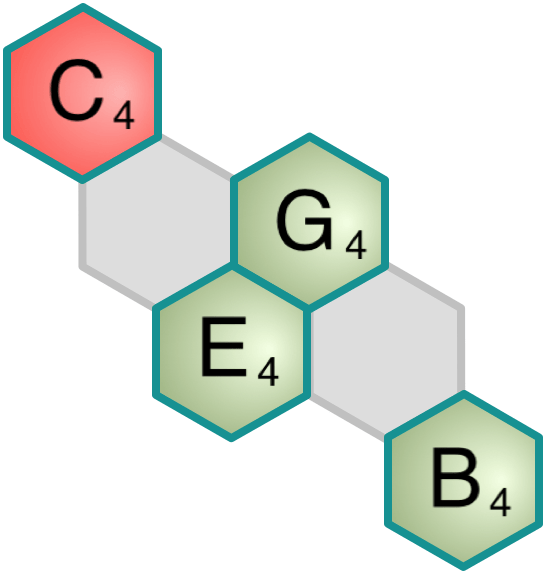 |
6th: C - E - G - A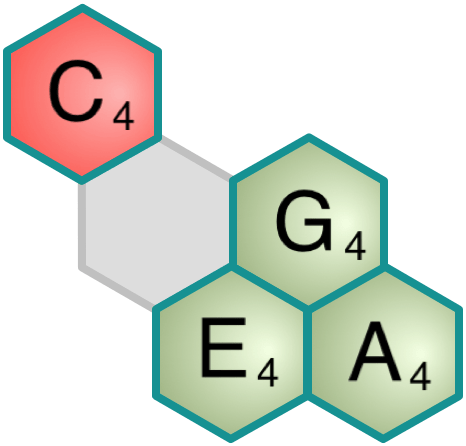 |
9th: C - E - G - B♭ - D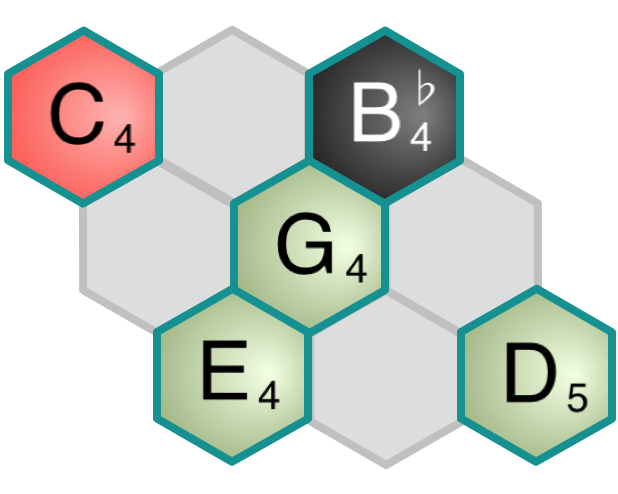 |
11th: C - E - G - B♭ - D - F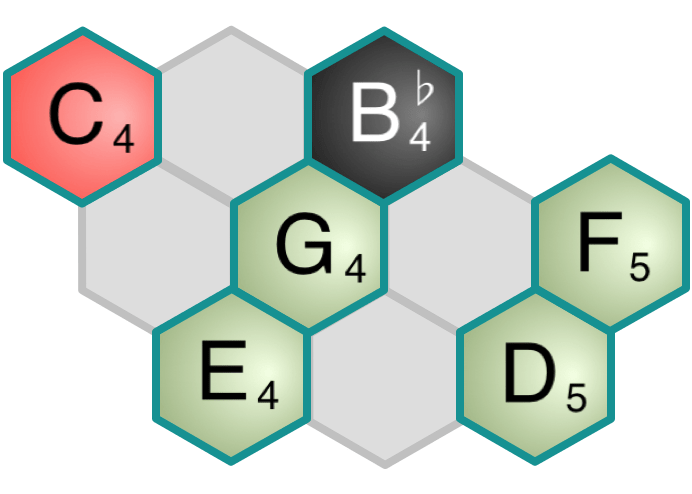 |
13th: C - E - G - B♭ - D - F - A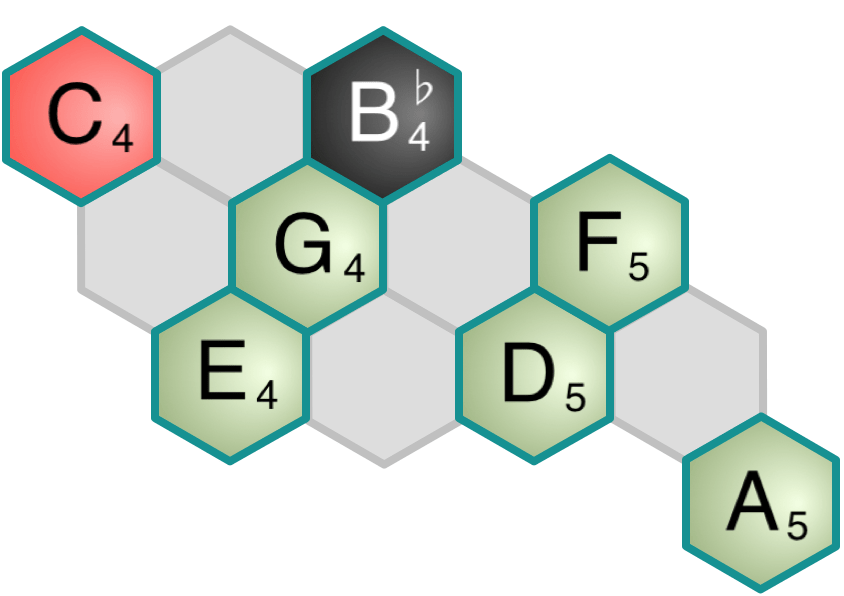 |
Scales
Major Scale: C - D - E - F - G - A - B - C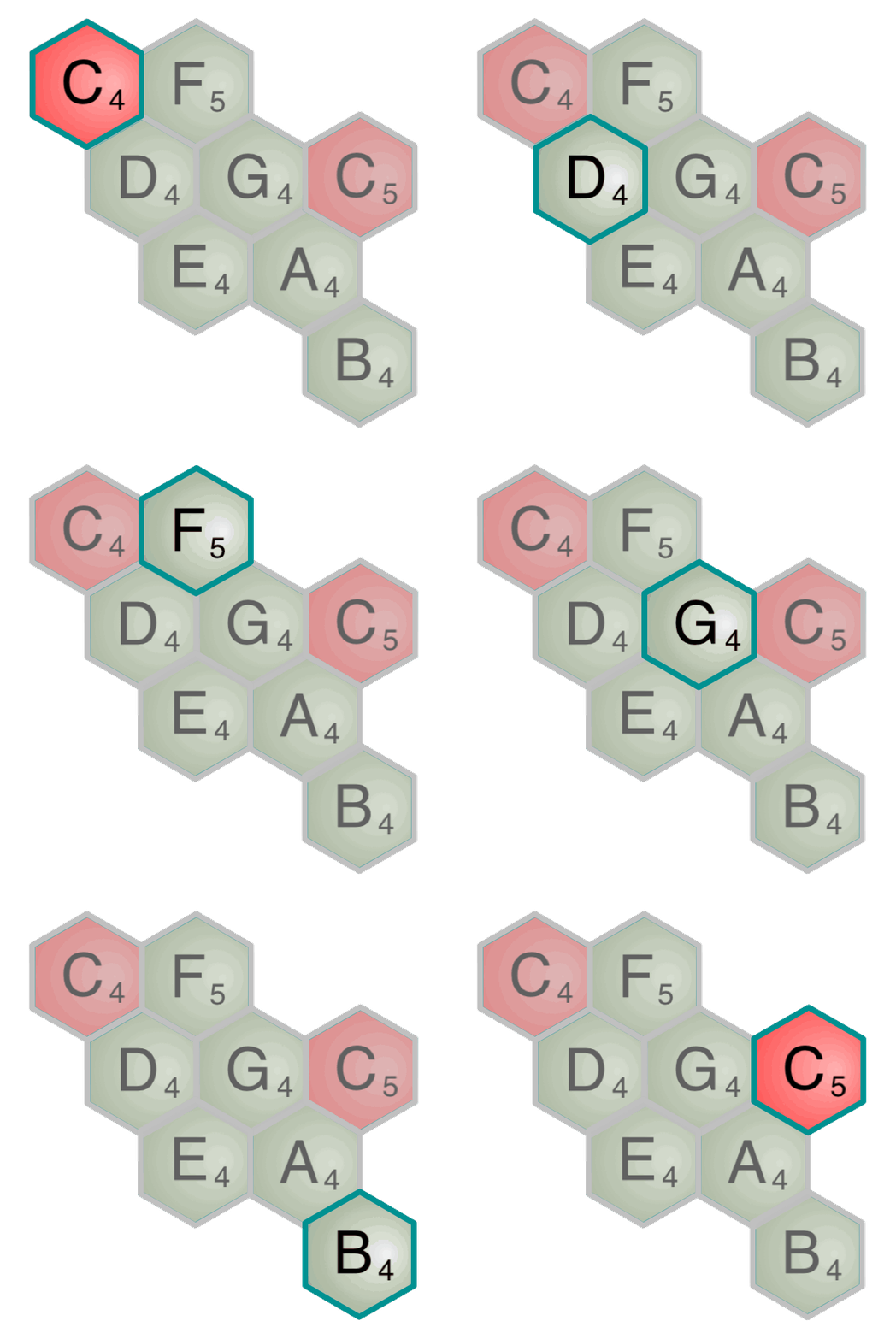 |
Minor Scale: C - D - E♭ - F - G - A♭ - B♭ - C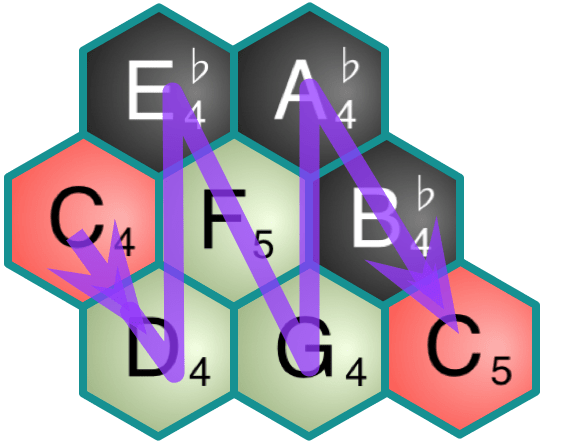 |
Blues scale: C - E♭ - F - F♯ - G - B♭ - C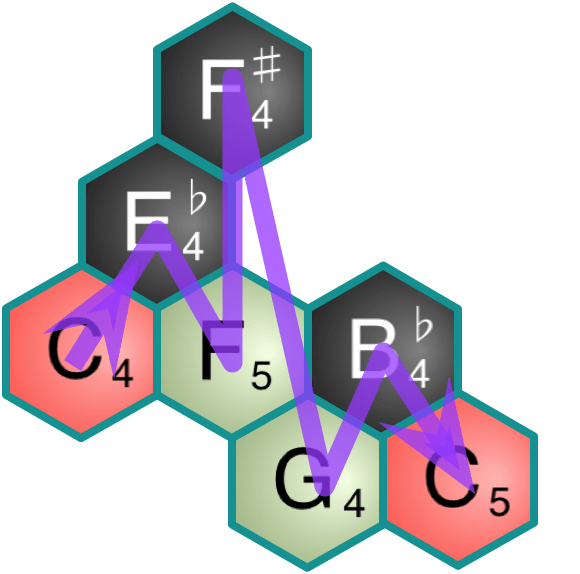 |
Pentatonic: C - D - F - G - A - C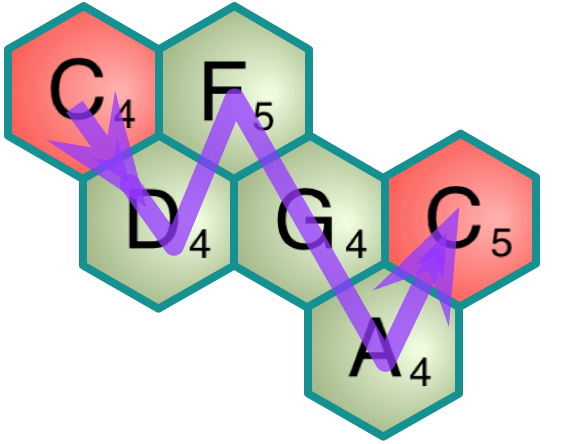 |
Intervals
Minor second: C - C♯ |
Major second: C - D |
Minor third: C - E♭ |
Major third: C - E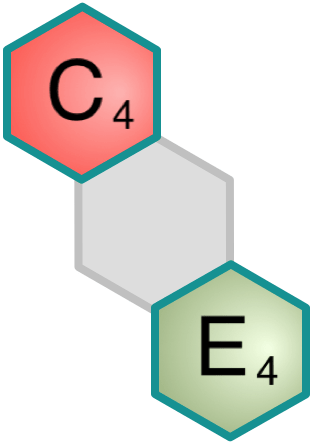 |
Perfect fourth: C - F |
Tritone / Diminished 5th / Augmented 4th: C - F♯ |
Perfect fifth: C - G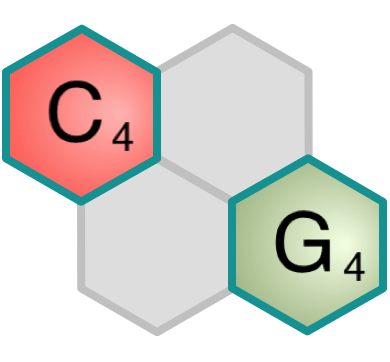 |
Minor sixth: C - A♭ |
Major sixth: C - A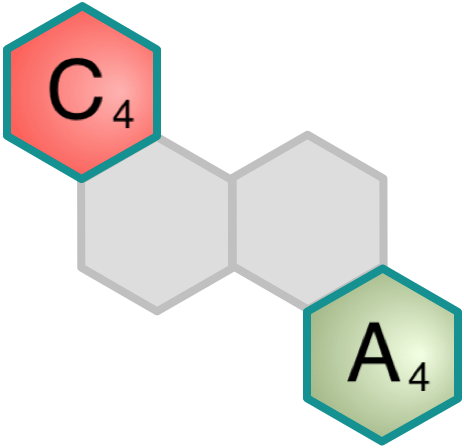 |
Minor seventh: C - B♭ |
Major seventh: C - B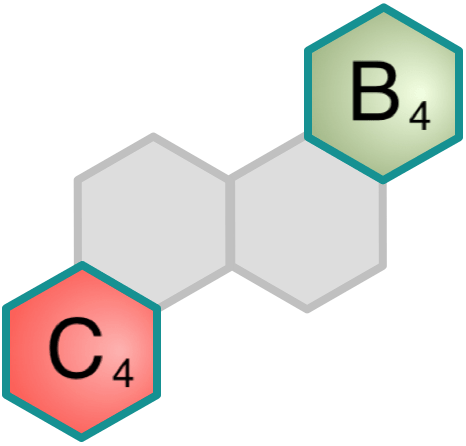 |
Perfect octave: C - C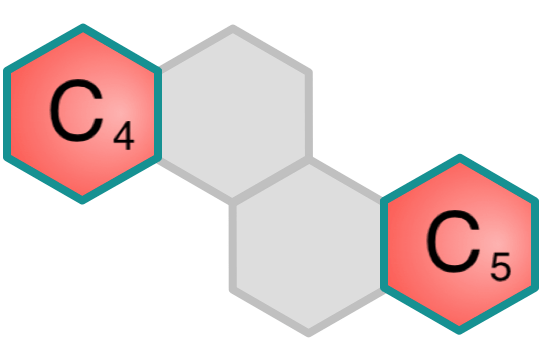 |
* NOTE:
For those familiar with music theory, some of the accidentals may be spelled differently that would be common in any particular key.
Since the keyboard note labels cannot change based on the key being played (yet), we have chosen to spell accidentals based on
their appearance in more common keys: B♭, E♭, A♭, F♯, C♯
All Layouts
- Gerhard Layout | Download Gerhard Layout PDF
- Harmonic Layout | Download Harmonic Layout PDF
- Park Layout | Download Park Layout PDF
- Wicki-Hayden Layout | Download Wicki-Hayden Layouts PDF
- Maupin
- Janko
- C-System
- B-System
- Bajan
- LinnStrument